



Pest control is a critical aspect of maintaining healthy environments in Canadian homes, restaurants, and food businesses. From rodents and cockroaches to flies and bed bugs, pests are more than just a nuisance—they pose serious risks to food safety, public health, and property integrity.
At SafeFoodHandler.ca, our focus is on food safety, but pest management goes hand-in-hand with preventing cross-contamination, foodborne illness, and reputational damage in food service operations. This article explores the importance of pest control in Canada, common pests of concern, and the best practices for keeping your space safe and compliant.
Why Pest Control Matters in Canada
Canada’s climate, ranging from freezing winters to warm, humid summers, creates diverse conditions where pests can thrive indoors. Effective pest control is essential for:
-
Protecting food safety: Rodents, flies, and cockroaches spread harmful bacteria like Salmonella, E. coli, and Listeria.
-
Safeguarding health: Pest droppings, urine, and bites trigger allergies, asthma, and infections.
-
Preventing financial loss: Infestations lead to spoiled food, property damage, and potential fines from health inspectors.
-
Maintaining reputation: In industries like restaurants and catering, a single pest sighting can result in bad reviews and customer loss.
👉 According to the Public Health Agency of Canada (PHAC), pest management is a vital part of controlling foodborne illness outbreaks and ensuring community health (PHAC resources).
Common Pests in Canadian Homes and Businesses
Different pests pose different challenges depending on the season and environment. The most common culprits include:
1. Rodents (Mice & Rats)
-
Thrive in urban centers like Toronto, Calgary, and Vancouver.
-
Spread disease via droppings, urine, and contaminated surfaces.
-
Chew wires, insulation, and packaging—causing costly structural and fire hazards.
2. Cockroaches
-
Often infest restaurants, hotels, and multi-family housing.
-
Contaminate food and trigger asthma and allergies.
-
Can survive in hidden cracks, drains, and behind appliances.
3. Flies (House Flies & Fruit Flies)
-
Spread bacteria by landing on food and surfaces.
-
Breed in garbage, drains, and organic waste.
-
A major problem in food service kitchens.
4. Bed Bugs
-
Increasingly reported in Canadian cities.
-
Cause bites, itching, and emotional stress.
-
Hard to eradicate without professional help.
5. Ants
-
Invade pantries and kitchens in search of food.
-
Carpenter ants cause structural damage to wood.
6. Wasps & Hornets
-
Pose stinging risks, especially in outdoor dining areas.
-
Aggressive near nests, potentially dangerous for allergic individuals.
For seasonal insights, the Government of Canada provides consumer guidance on insect control and prevention (Health Canada Pest Management).
Pest Control in Food Businesses
Food service establishments are at high risk of pest infestations due to the constant presence of food, water, and shelter. In Canada, food businesses must comply with Canadian Food Inspection Agency (CFIA) regulations to maintain safe, pest-free operations.
Key Prevention Strategies for Pest Control in Canada:
-
Sanitation: Keep kitchens, storage areas, and garbage bins clean and sealed.
-
Structural maintenance: Seal cracks, repair screens, and install door sweeps.
-
Monitoring: Use traps, inspection logs, and staff reporting protocols.
-
Professional partnerships: Work with licensed pest control companies for routine inspections.
👉 CFIA stresses the importance of integrated pest management (IPM) in preventing contamination and protecting consumer health (CFIA Food Safety Standards).
Integrated Pest Management (IPM): The Modern Approach
Traditional pest control relied heavily on pesticides, but Canada has shifted toward Integrated Pest Management (IPM)—a holistic approach that combines prevention, monitoring, and control.
The IPM Steps:
-
Inspection – Identify signs of pests (droppings, gnaw marks, nests).
-
Prevention – Eliminate food, water, and shelter sources.
-
Control – Use traps, baits, or eco-friendly treatments when necessary.
-
Monitoring – Track pest activity over time to prevent recurrence.
IPM minimizes pesticide use, protecting both public health and the environment, aligning with Canada’s sustainable pest management practices.
DIY Pest Prevention Tips
While professional pest control is essential for major infestations, you can reduce risks by adopting these everyday practices:
-
Seal entry points: Close gaps around pipes, windows, and doors.
-
Store food properly: Use airtight containers for dry goods.
-
Take out garbage daily: Keep bins clean and lids tight.
-
Clean drains: Flies and cockroaches thrive in moist, dirty drains.
-
Maintain landscaping: Trim bushes and trees away from building walls.
-
Check deliveries: Pests can hitchhike into kitchens inside boxes and shipments.
These proactive steps reduce the chance of infestation and keep your environment safe.
Pest Control Regulations in Canada
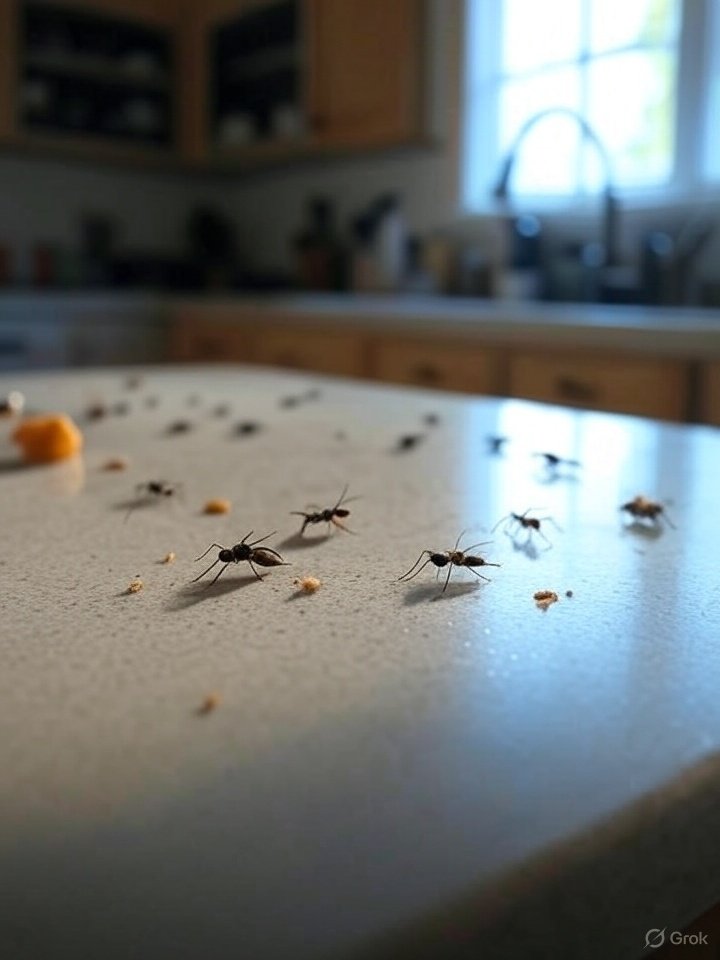
Pest control practices are tightly regulated in Canada to protect public health, workers, and the environment. Key regulations include:
-
Pest Control Products Act (PCPA) – Governs pesticide use and approval in Canada.
-
Workplace Safety Regulations – Protect workers handling pest control products.
-
Provincial Health Acts – Require food service establishments to maintain pest-free facilities.
For example, Alberta Health Services and Toronto Public Health both conduct inspections where pest activity can lead to fines or closures.
When to Call a Professional
Some pest problems can’t be solved with DIY methods. Call a licensed pest control professional if:
-
You notice recurring pest sightings despite preventive measures.
-
Droppings, nests, or gnaw marks are found.
-
You suspect bed bugs, cockroaches, or rodents in your business.
-
You operate a food service business that requires compliance with CFIA standards.
Professional exterminators in Canada use safe, approved methods tailored to the type of pest, the severity of the problem, and the environment.
Final Thoughts: Keeping Canada Pest-Free
Pest control is about more than comfort—it’s about protecting health, food safety, and reputation. From restaurants to residential homes, prevention and vigilance are the best defenses against infestation.
At SafeFoodHandler.ca, we emphasize that pest control is a core element of food safety training. A single overlooked pest can cause food contamination, illness outbreaks, and loss of consumer trust. By practicing sanitation, implementing IPM strategies, and seeking professional help when needed, Canadians can safeguard their homes, businesses, and communities.
For more resources, visit: