



Comprehensive Overview: Food Safety in Canada During and Beyond the COVID-19 Era
Introduction
The emergence of the SARS-CoV-2 virus in late 2019 triggered a global health crisis that rippled through every sector of society, including food systems. In Canada, the pandemic not only tested the resilience of the nation’s food supply chain but also reshaped approaches to food safety. From early 2020 onward, concerns about virus transmission via food handling, packaging, and shared spaces prompted swift adaptations by governments, businesses, and consumers alike. While scientific evidence quickly established that COVID-19 was not a foodborne illness—spreading primarily through respiratory droplets rather than contaminated edibles—the fear of surface transmission and worker infections led to heightened protocols. By 2025, five years after the initial lockdowns, these experiences have evolved into enduring practices, blending traditional food safety measures with pandemic-inspired innovations. This extensive article delves into the multifaceted impacts, responses, and long-term transformations in Canadian food safety, drawing on historical data, case studies, and forward-looking insights to provide a thorough understanding of how the country navigated this unprecedented challenge.
Pre-Pandemic Food Safety Landscape in Canada: Food Safety in Canada During and Beyond the COVID-19 Era
Before COVID-19, Canada’s food safety framework was already robust, anchored by federal agencies like Health Canada and the Canadian Food Inspection Agency (CFIA). Health Canada set national standards for food additives, contaminants, and nutritional labeling, while the CFIA enforced these through inspections, recalls, and import/export regulations. Provincial and territorial bodies complemented this with local oversight, particularly in retail and food service sectors. Key legislation, such as the Safe Food for Canadians Act (SFCA) implemented in 2019, emphasized preventive controls, traceability, and hazard analysis—principles akin to Hazard Analysis and Critical Control Points (HACCP) systems.
This system had successfully managed outbreaks of pathogens like E. coli and Salmonella, but it was less prepared for a respiratory virus disrupting human elements of the supply chain. Annual inspections numbered in the tens of thousands, focusing on microbial risks, allergen controls, and sanitation. However, vulnerabilities existed in high-density workplaces like meat processing plants, where close-quarters operations and seasonal labor could amplify health risks. Consumer education initiatives promoted safe handling at home, yet compliance varied, with surveys indicating inconsistent handwashing and temperature control practices. This foundation, while strong, faced its sternest test when COVID-19 arrived, exposing gaps in pandemic preparedness and inter-agency coordination.
Onset of COVID-19 and Initial Responses
As COVID-19 cases surged in early 2020, Canada’s food sector grappled with immediate disruptions. Borders closed, travel restrictions halted migrant worker inflows, and panic buying emptied shelves of staples like flour and canned goods. The federal government declared food production an essential service, allowing operations to continue amid lockdowns. Early guidance from Health Canada clarified that there was no evidence of food or packaging transmitting the virus, but emphasized enhanced hygiene to prevent worker-to-worker spread.
Provincial variations emerged: Ontario, for instance, issued sector-specific health and safety directives for restaurants, mandating physical distancing, mask usage, and capacity limits. The CFIA shifted to risk-based inspections, prioritizing high-risk facilities while suspending non-essential audits to minimize on-site presence. This adaptive approach helped maintain food availability, but it also strained resources, with some inspections transitioning to virtual formats. Internationally, Canada aligned with bodies like the FDA through recognition arrangements, facilitating cross-border trade amid global shortages. These initial steps set the stage for more comprehensive guidelines as the pandemic progressed.
Government Guidelines and Regulatory Changes:
Central to Canada’s response were detailed guidelines from Health Canada and the CFIA, which evolved over time. Core recommendations included rigorous hand hygiene—washing for at least 20 seconds before and after handling food—along with sanitizing surfaces and avoiding cross-contamination between raw and cooked items. For businesses, protocols mandated symptom screening for employees, staggered shifts to reduce crowding, and the use of personal protective equipment (PPE) like gloves and masks in processing areas.
The CFIA introduced temporary flexibilities, such as relaxed labeling requirements for shell eggs to expedite distribution during shortages. Health Canada’s safe shopping advice encouraged contactless payments, maintaining two-meter distances in stores, and immediate unpacking of groceries at home to discard outer packaging. For food programs in community settings, like shelters or schools, guidelines stressed no-shared utensils, proper thawing, and reheating to safe temperatures.
Post-2020, these evolved into permanent enhancements under the SFCA, incorporating pandemic learnings like remote monitoring and data-driven risk assessments. By 2025, updates include digital traceability tools to track food from farm to fork, reducing response times to potential contaminations. Provincial inputs, such as British Columbia’s emphasis on ventilation in food processing, further tailored these national standards.
Impacts on the Food Supply Chain
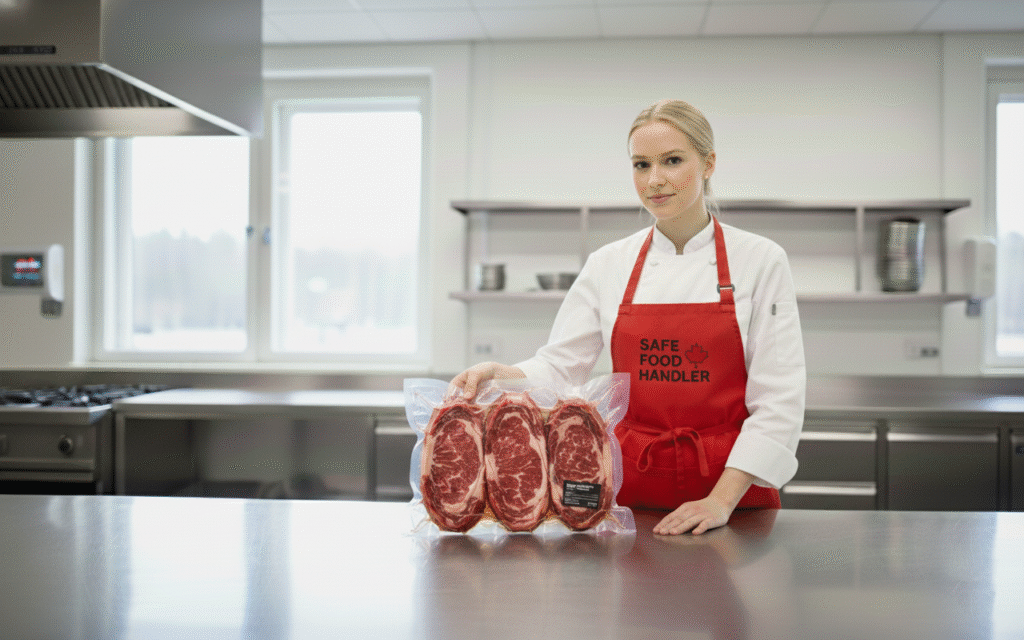
The pandemic’s effects permeated every link in Canada’s food supply chain, revealing interdependencies and fragilities.
Agriculture
Farmers faced labor shortages as international workers were delayed by travel bans, affecting harvests of fruits and vegetables in regions like Ontario’s Niagara Peninsula. This led to temporary exemptions for worker quarantines, but also increased reliance on automation for planting and picking. Environmental factors compounded issues, with some producers pivoting to direct-to-consumer sales via farm boxes to bypass disrupted wholesale markets.
Processing
Meat processing emerged as a hotspot, with cold, humid environments facilitating virus spread. Facilities saw temporary closures, exacerbating supply shortages and price hikes for beef and pork. Investments in barriers, air filtration, and robotics followed to space out workers and minimize contact.
Retail and Food Services
Grocery stores implemented one-way aisles, plexiglass shields, and timed entry to manage crowds. Food services shifted dramatically: restaurants closed dine-in operations, pivoting to takeout and delivery, which surged by over 50% in some cities. This change reduced overall inspection violations initially due to simplified operations, but later challenges arose with maintaining standards in high-volume delivery.
Distribution and Logistics
Transportation bottlenecks arose from border delays and driver shortages, impacting perishable goods. Warehouses adopted contactless loading and enhanced sanitation, while e-commerce platforms like Instacart expanded rapidly to meet demand for home deliveries. These adaptations highlighted the need for diversified supply routes, with some companies sourcing more locally to reduce reliance on international imports.
Outbreaks and Worker Safety in Food Facilities
One of the most visible impacts was outbreaks in food processing plants. In Alberta and Ontario, major meatpacking facilities reported hundreds of cases, leading to worker illnesses, fatalities, and temporary shutdowns. Factors like poor ventilation, shared transportation, and inadequate PPE contributed to these clusters. Responses included mandatory testing, isolation protocols, and redesigns of production lines to allow for social distancing.
The human cost was significant, prompting calls for better labor protections. Unions advocated for paid sick leave and improved living conditions for migrant workers, who often resided in crowded accommodations. By mid-2021, vaccination drives targeted these essential workers, reducing outbreak severity. These events spurred long-term reforms, including updated occupational health standards under provincial labor laws, emphasizing mental health support alongside physical safety.
Consumer Behaviors and Shifts in Food Habits
The pandemic profoundly altered how Canadians interacted with food. Home cooking skyrocketed as lockdowns closed restaurants, with many experimenting with baking and meal prepping. This shift boosted demand for kitchen staples and led to a renaissance in home gardening, particularly urban balcony plots and community gardens.
Food literacy—encompassing knowledge of nutrition, safety, and sourcing—saw gains, though unevenly. Online resources flourished, teaching safe storage (e.g., refrigerating perishables below 4°C) and cooking techniques to kill potential pathogens. However, misinformation circulated, such as unnecessary bleaching of produce, prompting authorities to counter with evidence-based campaigns.
E-commerce and delivery apps like Uber Eats and SkipTheDishes experienced exponential growth, raising new safety concerns around packaging integrity and temperature control during transit. Consumers adopted habits like sanitizing hands post-delivery and opting for no-contact options. These behaviors persisted post-pandemic, with hybrid models blending in-person shopping with online orders becoming the norm.
Food Security and Equity Considerations
COVID-19 exacerbated food insecurity, affecting one in eight Canadian households by 2021. Vulnerable groups—Indigenous communities, low-income families, and seniors—faced barriers due to store closures, price inflation, and mobility restrictions. Northern and remote areas, reliant on air freight, saw dramatic cost increases for essentials.
Government interventions included expanded emergency food programs, subsidies for school meals, and partnerships with food banks. Initiatives like the Canada Emergency Response Benefit indirectly supported food access. However, disparities highlighted systemic issues, such as urban food deserts and cultural mismatches in aid distribution. Post-pandemic efforts focus on building resilient local food systems, including urban agriculture and Indigenous-led sovereignty projects.
Environmental and Sustainability Implications
The crisis had mixed environmental effects. Increased single-use plastics for sanitation—bags, gloves, and wrappers—spiked waste levels, challenging recycling systems. Conversely, reduced travel and industrial activity temporarily lowered emissions, though food miles increased with rerouted supplies.
Sustainability gained traction, with consumers favoring local, organic products to support farmers and reduce carbon footprints. Policies evolved to integrate green practices, such as incentives for low-waste packaging under the Zero Plastic Waste Initiative. By 2025, food safety standards increasingly incorporate eco-friendly elements, like biodegradable sanitizers and energy-efficient processing.
Innovations and Technological Advancements
COVID-19 accelerated tech adoption in food safety. Blockchain for traceability allowed real-time monitoring of supply chains, flagging issues instantly. AI-driven predictive analytics helped forecast disruptions, while drones and robots assisted in contactless inspections and deliveries.
Remote sensing tools, like IoT devices in refrigerators, ensured temperature compliance. Apps for consumers tracked recalls and provided AR-based hygiene tutorials. These innovations, piloted during the pandemic, are now mainstream, enhancing efficiency and reducing human error.
Case Studies: Lessons from Specific Sectors
Meat and Poultry Industry
Cargill’s High River plant in Alberta became a focal point after a major outbreak in 2020, infecting over 1,500 workers. The response involved comprehensive audits, leading to industry-wide guidelines on airflow and spacing. This case underscored the need for multilingual training and cultural sensitivity in diverse workforces.
Seafood and Aquaculture
Food Safety in Canada During and Beyond the COVID-19 Era. British Columbia’s salmon farms adapted by implementing bubble crews—isolated teams—to prevent spread. Supply chain shifts reduced exports to Asia, boosting domestic markets. Innovations in cold-chain logistics preserved freshness amid delays.
Dairy and Produce
Ontario dairy farmers faced surplus milk dumping early on due to school closures. Adaptations included cheese production pivots and donations. Produce sectors emphasized field hygiene to counter labor shortages, with mechanized harvesting gaining ground.
Public Health Communication and Education
Effective communication was key. Health Canada’s campaigns used social media, infographics, and webinars to disseminate tips, countering myths like virus survival on frozen foods. Collaborations with influencers and community leaders reached diverse audiences.
Education extended to schools, incorporating food safety into curricula. By 2025, ongoing programs emphasize lifelong habits, integrating pandemic lessons with broader health literacy.
Economic Repercussions and Recovery
The food sector’s economic hit was substantial, with losses in hospitality exceeding $20 billion. Stimulus packages, including wage subsidies, aided recovery. Supply chain diversification and reshoring efforts bolstered resilience, with investments in domestic processing.
Tourism-linked food services rebounded slowly, pivoting to experiential offerings like outdoor dining. Overall, the sector’s GDP contribution stabilized by 2023, driven by exports and innovation.
Global Comparisons and International Collaboration
Canada’s approach mirrored peers like the EU and U.S., but with unique emphases on multiculturalism and vast geography. Collaborations via the Codex Alimentarius refined global standards, sharing data on virus persistence in food environments.
Lessons from countries like New Zealand, with strict border controls, informed Canada’s strategies. Ongoing forums address zoonotic risks, preparing for future pandemics.
Future Outlook: Building Resilience
Food Safety in Canada During and Beyond the COVID-19 Era. Looking ahead, Canada’s food safety system prioritizes agility. Investments in surveillance, workforce training, and sustainable tech aim to mitigate risks. Climate change integration addresses emerging threats like vector-borne diseases affecting agriculture.
Public-private partnerships foster innovation, while equity-focused policies ensure inclusive access. By embedding pandemic learnings, Canada positions itself as a leader in adaptive food safety, safeguarding health in an uncertain world.
Conclusion
The COVID-19 pandemic was a watershed for food safety in Canada, exposing weaknesses while catalyzing progress. From enhanced hygiene to digital tools, the transformations endure, benefiting public health and economic stability. As we reflect in 2025, the key takeaway is preparedness: a resilient system that anticipates, adapts, and protects all Canadians.