

You’ve mastered your recipes. You’ve trained your staff. But do you have a food safety culture that everyone lives by — from dishwashers to managers? The difference between a good kitchen and a trusted, safe kitchen isn’t just processes—it’s a mindset.
At SafeFoodHandler.ca, we believe that food safety isn’t only about following rules; it’s about creating habits, values, and attitudes that make safety second nature. When your team acts like food safety matters, customers are safer, staff feel empowered, and your business reputation grows stronger.
This guide explores what food safety culture is, why it matters in Canada, and how to build it in your food business step by step.

What Is Food Safety Culture?
Food safety culture is the shared set of values, beliefs, and behaviors regarding food safety in your business. It’s how your team thinks and acts when no one is watching.
When the culture is strong:
-
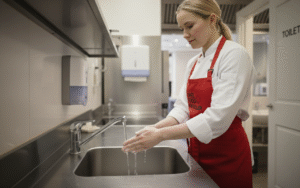
Handwashing, glove use, and hygiene practices are followed consistently.
-
Cross-contamination is avoided naturally.
-
Allergens are handled correctly every time.
-
Temperature and storage rules are applied without constant reminders.
It’s more than compliance—it’s a commitment to protecting people and your business.
Why Food Safety Culture Matters in Canada
In Canada, food safety culture is not just a best practice—it’s increasingly a regulatory expectation. Health Canada and provincial authorities (like Alberta Health Services) stress the importance of training and staff engagement in preventing foodborne illness.
The Benefits:
-
Protects Customers and Staff
According to the Public Health Agency of Canada, foodborne illnesses affect hundreds of thousands of Canadians each year. A strong food safety culture reduces these risks, especially in restaurants, schools, and catering businesses. -
Meets Regulatory Requirements
Local inspections in Alberta, BC, and other provinces often evaluate not just your processes but the behaviors and attitudes of your staff. Training and culture demonstrate due diligence and compliance. -
Builds Trust and Reputation
Restaurants known for safe practices see repeat business and positive reviews. Customers value establishments that are visibly committed to safety. -
Empowers Employees
Staff who understand why rules exist and feel supported in following them are more confident and proactive. This reduces mistakes and turnover.
6 Steps to Build a Strong Food Safety Culture
Here’s a detailed roadmap to improve food safety culture in any Canadian food business:
1. Lead by Example
Leaders set the tone. If managers or owners ignore hygiene, storage rules, or proper cooking temperatures, staff will follow suit.
How to implement:
-
Wash hands and use gloves properly in front of staff.
-
Check food temperatures consistently.
-
Address mistakes calmly and constructively.
-
Celebrate safe practices publicly.
2. Invest in Continuous Training
Food safety isn’t static. Bacteria evolve, regulations change, and staff turnover introduces new challenges.
Tips for effective training:
-
Offer SafeFoodHandler.ca online courses for all staff, from entry-level to management.
-
Use real examples of outbreaks or inspection findings to make lessons concrete.
-
Conduct brief refreshers every few months, not just annually.
3. Empower Staff to Speak Up
A strong culture is built on trust. Employees must feel safe reporting unsafe practices without fear of reprisal.
Practical methods:
-
Suggestion boxes for safety tips or concerns.
-
Pre-shift huddles to discuss potential hazards.
-
Encourage peer reminders for handwashing, glove changes, and storage practices.
4. Make Procedures Clear and Accessible
Even the most motivated staff can make mistakes if processes are confusing or inconsistent.
Action points:
-
Post step-by-step hygiene and handling procedures in visible areas.
-
Use visual aids for allergen management, cleaning schedules, and food storage.
-
Ensure checklists are easy to follow and updated regularly.
5. Monitor and Measure Regularly
What gets measured gets managed. Without monitoring, you can’t know if your culture is effective.
Monitoring strategies:
-
Conduct regular internal audits of hygiene, storage temperatures, and cross-contamination risks.
-
Track results in logs, noting improvements and areas needing attention.
-
Review audits in staff meetings and reward adherence to best practices.
6. Communicate Constantly
Communication reinforces culture. Discuss food safety openly, often, and in multiple formats.
Ways to communicate:
-
Include food safety topics in newsletters, bulletin boards, and team meetings.
-
Share stories of successful safety interventions.
-
Celebrate employees who demonstrate exceptional safety practices.
Real-World Examples in Canadian Food Businesses
-
Alberta Restaurant:
A busy Calgary eatery experienced complaints of foodborne illness. Inspectors found staff were leaving cooked meat in warmers below 60 °C. After training and strict temperature monitoring, the restaurant eliminated incidents and gained a “food-safe” reputation. -
BC School Cafeteria:
Staff weren’t following proper allergen protocols, risking severe reactions. After implementing SafeFoodHandler.ca training, clear signage, and peer monitoring, incidents dropped to zero. -
Home-Based Catering Business:
A home caterer in Edmonton learned that thawing food on the counter created a danger zone scenario. Switching to fridge thawing and recording temperatures strengthened their process, gaining confidence and client trust.
The Role of Food Handler Certification – Build a Bulletproof Food Safety Culture in Your Kitchen
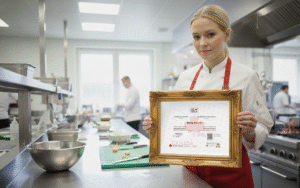
Food safety culture and training go hand-in-hand. Certification demonstrates knowledge, skill, and commitment.
-
SafeFoodHandler.ca courses cover:
-
Preventing foodborne illness
-
Proper storage, handling, and cooking
-
Cleaning and sanitation
-
Cross-contamination and allergen control
-
Monitoring temperatures and logs
-
Certified staff are more likely to adhere to best practices, strengthening overall culture.
Quick Food Safety Culture Checklist
Ask yourself about Build a Bulletproof Food Safety Culture in Your Kitchen
-
Are hygiene practices followed consistently?
-
Are procedures visible, clear, and understood?
-
Can employees report hazards without fear?
-
Is ongoing training provided?
-
Are monitoring and audits in place?
-
Is food safety regularly discussed and celebrated?
Answering “yes” to most of these indicates a strong culture.
Final Thoughts – 🔒 Build a Bulletproof Food Safety Culture in Your Kitchen
Creating a strong food safety culture is essential for any Canadian food business. It’s not just about compliance; it’s about protecting customers, empowering staff, and building trust. 🔒 Build a Bulletproof Food Safety Culture in Your Kitchen
Start by leading by example, training continuously, empowering staff, making procedures accessible, monitoring results, and communicating openly. Pair these steps with SafeFoodHandler.ca certification and your team will not only know the rules—they’ll live them every day.
Strong culture = safer food, confident staff, loyal customers, and a business that thrives.
Build your culture today. Train your team. Certify your staff. Protect your customers.
-
For more info, resources, visit: