
Food safety is more than a legal obligation — it’s a crucial part of protecting your customers, your business, and your community. In Alberta, food premises are regulated under strict provincial laws, and non-compliance can lead to serious consequences, including closures, fines, and reputational damage. SafeFoodHandler.ca provides training that aligns with Alberta regulations, helping food handlers stay compliant and confident.
Understanding Food Safety in Alberta Regulations
Food businesses in Alberta operate under several legal frameworks designed to ensure the safety of food served to the public:
-
Alberta Food Regulation: Part of the Public Health Act, it sets out responsibilities for food handling, storage, and preparation.
-
Food Retail and Food Services Code: Establishes standards for establishments serving or retailing food.
-
Food Handling Permits: Required for all food premises, issued by Alberta Health Services (AHS). Food Safety in Alberta
These regulations give inspectors the authority to monitor compliance, issue closure orders, and enforce corrective actions where necessary.
Who Needs Food Handler Certification in Alberta

Certification is mandatory in many cases, particularly for larger establishments:
-
Small establishments (≤5 food handlers): At least one person with a valid Food Handler Certificate must have “care and control” of the business.
-
Larger establishments (≥6 food handlers): At least one certified person must be part of management or supervision and present on-site.
Even where not legally required, it’s recommended for all staff to hold Food Handler Certification to reduce risk and improve operational safety.
Key Food Safety Practices for Food Safety in Alberta
Food safety isn’t just about passing inspections; it’s about preventing illness and maintaining customer trust. Alberta guidelines emphasize:
Temperature Control
-
Cold foods must be held at 4°C or below.
-
Hot foods must remain 60°C or above.
-
Frozen foods must remain fully frozen until ready to cook or serve.
Hygiene and Sanitation
-
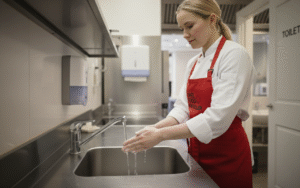
Frequent handwashing and clean uniforms are mandatory.
-
Utensils and surfaces must be sanitized between uses.
-
Handwashing stations with soap, warm water, and disposable towels must be available.
Preventing Cross-Contamination
-
Raw and cooked foods should be stored and prepared separately.
-
Separate cutting boards and utensils for different food types.
-
Clean and sanitize all surfaces after handling raw foods.
Alberta Health Services: Inspections and Enforcement
AHS conducts inspections across the province to ensure compliance. When violations are found, enforcement actions can include fines, mandatory corrective actions, or closure orders. Here are some recent examples from Edmonton (2025): Food Safety in Alberta
Recent Food Premises Closures in Edmonton
-
Joy’s Lucky 7 Food Store (Restaurant Area)
-
Address: 10639 156 Street NW
-
Closure Date: August 20, 2025
-
Reason: Violations related to food safety standards.
-
Lesson: Highlights the importance of ongoing staff training and facility monitoring.
-
-
The Alfred Bar
-
Address: 10363 104 Street NW
-
Closure Date: July 17, 2025
-
Reason: Non-compliance with health regulations.
-
Lesson: Emphasizes adherence to all operational and sanitation requirements.
-
-
Cal City Pizza
-
Address: 9288 34 Avenue NW
-
Closure Date: April 8, 2025
-
Reason: Fire, water, or smoke damage compromising food safety.
-
Lesson: Proper equipment maintenance and emergency preparedness are critical.
-
-
Spice Centre
-
Address: 9280 34 Avenue NW
-
Closure Date: April 8, 2025
-
Reason: Multiple health code violations.
-
Lesson: Even minor lapses in cleaning or food storage can lead to serious enforcement action.
-
-
Chutney Restaurant South
-
Address: 9266 34 Avenue NW
-
Closure Date: April 8, 2025
-
Reason: Health code violations.
-
Lesson: Consistent oversight and employee training can prevent closures.
-
These closures show that violations can happen to any business, from small cafes to larger restaurants. Common issues include poor sanitation, temperature mishandling, pest control lapses, and non-compliance with permit requirements.
Learning from These Cases
-
Implement Regular Inspections: Walk through your facility as if you were an inspector. Identify hazards, check temperatures, and inspect storage areas.
-
Maintain Documentation: Keep records of cleaning schedules, temperature logs, and staff training. These logs can be vital during inspections.
-
Staff Training: Educate all staff on food safety practices, personal hygiene, and reporting illness.
-
Emergency Preparedness: Have plans for fires, floods, or power outages that might compromise food safety.
Special Considerations for Alberta Food Handlers
-
Child-Care Facilities: Additional regulations apply to food served in schools or licensed childcare centers. Staff must follow stricter hygiene and food handling procedures.
-
Low-Risk Foods: Home-prepared items such as baked goods must meet specific labeling and handling rules.
-
High-Risk Foods: Meat, seafood, dairy, and ready-to-eat items require heightened controls, including temperature monitoring and proper storage.
How SafeFoodHandler.ca Helps Alberta Food Handlers
SafeFoodHandler.ca provides training aligned with Alberta laws and real-world practices:
-
Comprehensive Curriculum: Covers hygiene, temperature control, cross-contamination, and more.
-
Flexible Learning: Online modules, home study, and in-person options.
-
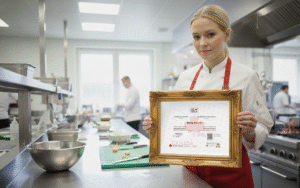
Certification Accepted by AHS: Ensures you meet the legal requirements for employment or business operation.
-
Refresher Training: Stay current with evolving regulations and industry best practices.
- Food Safety
-
For more info, resources, visit: